

INS3 and Itanta Analytics: Connecting Plant-Floor Data to Real-Time Manufacturing Decisions
Blog
Executive Summary
Most manufacturers collect more data than they act on. The gap is not a technology problem. It is a context problem: raw machine data, process signals, and quality records sit in separate systems, inaccessible to the operators, supervisors, and plant managers who need them in real time. INS3 and Itanta Analytics have joined forces to close that gap. INS3 handles the industrial infrastructure (the SCADA systems, data architecture, and plant connectivity). Itanta Analytics delivers a no-code manufacturing analytics platform that sits on top of that foundation and turns connected data into clear, actionable insight for every role on the floor.
The Problem Most Plants Are Still Living With
A line supervisor sees a reject rate climbing. To understand why, they need process data from the historian, production records from the MES, and shift notes from the operator log. Those three sources live in three different systems. By the time someone pulls them together, the shift is over.
This is the daily reality in plants that have invested in automation but not in analytics delivery. Data is collected. Data is stored. Data is rarely surfaced to the people who could act on it in the moment it matters.
The result: decisions get made from weekly reports, end-of-shift summaries, and institutional knowledge rather than from what is happening right now on the floor.
What INS3 and Itanta Analytics Are Solving Together
INS3 brings 30+ years of industrial systems integration experience to this partnership. Our engineers connect machines, PLCs, SCADA systems, historians, MES platforms, and ERP systems into a unified data infrastructure, including Unified Namespace (UNS) deployments that make real-time data available across the entire operation. We get the data flowing the right way: securely, reliably, and at the edge.
Itanta Analytics takes that connected data and makes it usable for everyone, not just engineers. Their no-code manufacturing data analytics platform includes 50+ industrial protocol connectors, real-time data processing with sub-100ms latency, a no-code dashboard builder, AI-powered predictive analytics, and native mobile access. Plant managers, operators, quality leads, and supervisors get the answers they need at the line, on a tablet, or in the control room — without writing a single line of code and without waiting on IT.
Three Outcomes Manufacturers Get from This Partnership
1. Decisions at the speed of production
Operators and supervisors should not have to wait for a weekly report to know how a line is performing. When SCADA data, historian data, and MES production records flow into a single, structured namespace and Itanta’s analytics layer sits on top of it, the answers are available the moment they are needed. Quality drift, cycle time deviation, downtime events, all visible in real time, on whatever device the person is using.
2. Integration done right the first time
One of the most common failure points in manufacturing analytics projects is poor data connectivity upstream of the analytics layer. Inconsistent tag naming, missing context, point-to-point integrations that break, historians siloed from production systems. INS3’s role in this partnership is to ensure the data foundation is built correctly from the start, so Itanta’s analytics platform ingests clean, contextualized, reliable data rather than spending time compensating for plumbing problems.
3. A practical path to Industry 4.0
Digital transformation stalls when technology gets ahead of the people it is meant to serve. The combined approach INS3 and Itanta Analytics take is deliberately grounded: start with the questions the team already asks every day, prove value quickly on a focused use case, and scale from there. That philosophy aligns directly with how INS3 approaches every engagement. Start where you are, deliver results at each step, and build the foundation for what comes next.
How It Fits into INS3's Broader Data Architecture
INS3 builds every engagement around the full data value chain: Collect, Store, Transform, Visualize, Analyze, Optimize. Itanta Analytics addresses the Visualize and Analyze layers directly, working on top of the UNS-based data infrastructure INS3 establishes.
For manufacturers already running Ignition, FactoryTalk, Tatsoft FrameworX, Aveva, or Velotic Proficy platforms, INS3 connects existing systems to the UNS without requiring a rip-and-replace of current infrastructure. Itanta’s 50+ industrial protocol connectors extend that connectivity further. For manufacturers who need a lightweight MES layer alongside analytics, INS3’s CoreM platform combines production event data and process time-series data in a single view, a natural complement to Itanta’s analytics delivery layer.
The Broader Shift This Partnership Reflects
Manufacturing analytics has historically been the domain of engineers and data analysts. Implementations required significant IT involvement, custom code, and extended timelines before value was visible on the floor.
The combination of INS3’s integration expertise and Itanta’s no-code platform compresses that timeline and expands the audience. More people in the plant get access to insight. Decisions move closer to the work. The gap between data collection and business results gets smaller.
Get Started
INS3 offers a no-cost discovery session to assess your current data infrastructure, identify where connectivity gaps exist, and map a practical path to real-time analytics. Whether you are starting from scratch or looking to get more from systems already in place, the conversation starts with your specific challenge — not a generic demo.
Contact INS3 to schedule your discovery session and learn how the INS3 and Itanta Analytics partnership delivers manufacturing intelligence built for the people on the floor.

Agile MES: The Key to Unlocking Smart Manufacturing Success
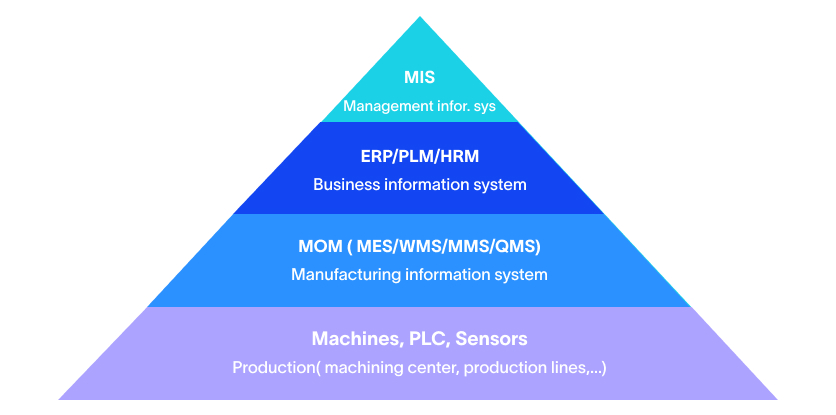
MES is a computerized system used in manufacturing operations to track and document the transformation of raw materials into finished goods. An MES system typically manages and monitors work orders, equipment, materials, and personnel on the shop floor. The system provides real-time visibility into production processes, helps optimize manufacturing operations, and improves the overall efficiency of the manufacturing process.
Understanding OEE: The Key to Manufacturing Efficiency
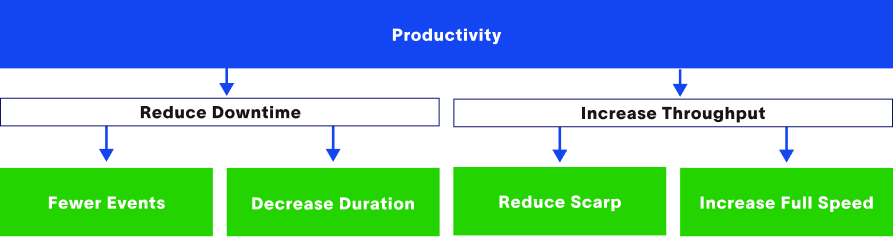
In today’s competitive manufacturing landscape, improving efficiency and productivity is crucial for businesses to remain competitive. One of the key metrics used to measure manufacturing efficiency is OEE or Overall Equipment Effectiveness. In this blog, we will take a closer look at OEE and its importance in manufacturing.
How to Effectively Conduct a Legacy System Integration
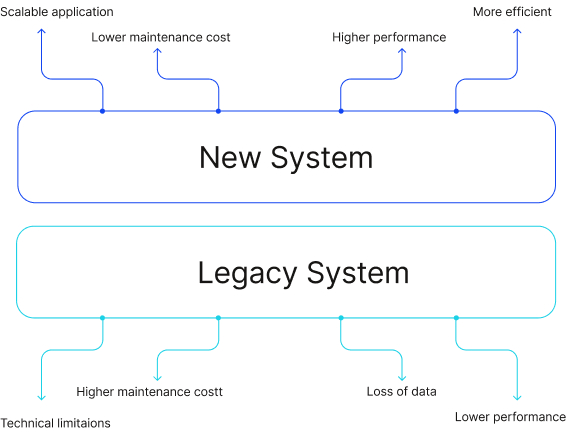
Legacy system integration can be a daunting task, but it’s a necessary one for many manufacturers that rely on outdated systems to run their business. Integrating legacy systems with modern technology can improve efficiency, streamline processes, and save time and money. However, it’s important to approach the integration process carefully and methodically to ensure success.
Share on :
Keep On Reading
Subscribe to Our Newsletter
Subscribe to our weekly newsletters to get updates regarding our new production, behind the scene process of our art creation and much more.
After submitting this form you will receive an e-mail with a confirmation link that you must click to complete your request. Detailed information on processing and cancellation can be found in our privacy policy.